
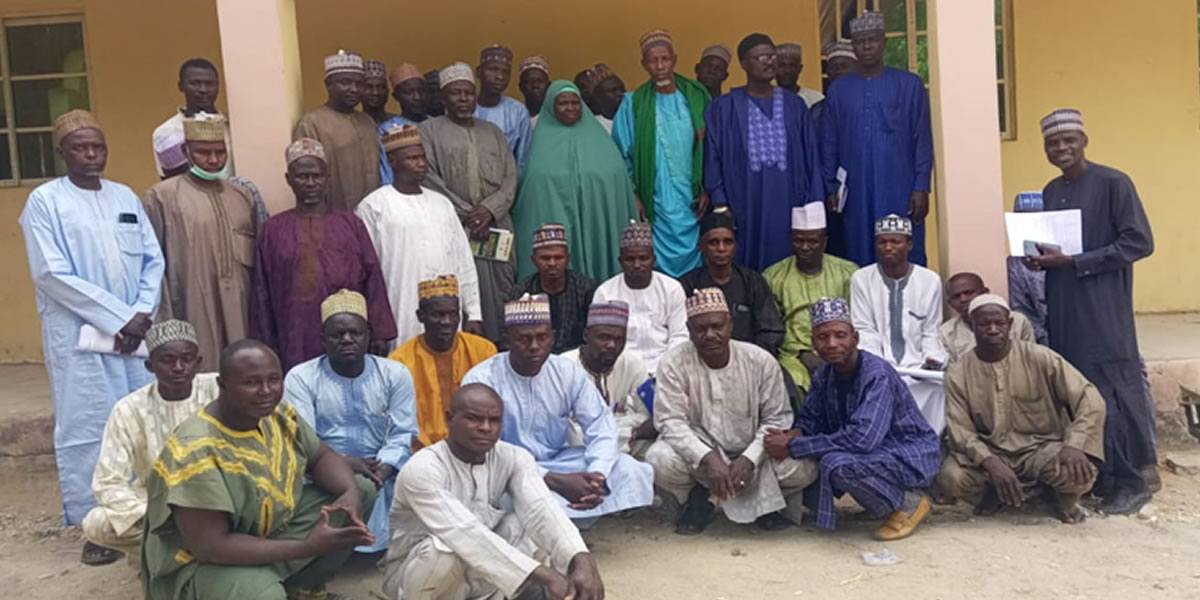
An informative session about the L-PRES project and its development goals was held. The focus was on discussing how to enhance and promote the livestock value chain within the state.
Participants also addressed the critical challenges in the livestock sector that the L-PRES initiative intends to tackle. These challenges encompass issues like the deterioration of grazing reserves, inadequate water sources, and conflicts between farmers and herders. Additionally, they emphasized the significance of promoting the development of the livestock value chain.
The traditional rulers visited expressed their warm welcome for the project. They acknowledged that the search for pasture, water sources, and alternative markets is the primary reason for pastoralist migration, and they believed that this development could potentially encourage these communities to return home.
Furthermore, they identified several key factors contributing to farmer-herder conflicts, not only in Yobe but throughout the country. These included encroachments on grazing reserves by farmers, encroachments on cattle routes, population pressures, extensive land ownership by wealthy individuals, and pasture degradation due to climate change, among others.
They appealed for government and project support in addressing these urgent issues, which result in annual loss of lives and property. They assured the team that they were willing to support any program aimed at improving the livelihoods of their rural constituents, especially in the realm of livestock production, as many of their residents engage in mixed farming as their profession.
During the discussions, it was evident that the local government representatives, traditional rulers, and community leaders have proven to be effective institutions in managing farmer-herder conflicts. They have implemented various peace initiatives initiated by local government councils, with representatives from both farmers and herders serving on committees to ensure the restoration of peace.